


Understanding CEREBRAL PARESIS

Causes of ZEREBRALPARESIS

Infantile cerebral palsy is caused by Damage to certain regions of the brain, which are used for the control of Movement, posture and muscle tension are responsible. This damage occurs during pregnancy, during childbirth or shortly after the birth when the brain is still developing.

Possible causes are Developmental disorders of the brain or Brain damage due to external influences. These include, among others Oxygen deficiency, cerebral hemorrhages, infections (e.g. rubella during pregnancy or meningitis in infancy), Blood sugar too low, severe neonatal jaundice (e.g. rhesus factor incompatibility) and head injuries around the time of birth.

In many cases, the Specific cause cannot be clearly determined. However, it is known that Premature babies, especially with low birth weight, are affected significantly more frequently. The increasing frequency of certain forms of cerebral palsy is attributed, among other things, to the fact that the Survival rate of premature babies has increased significantly in recent years.

Infantile cerebral palsy is a Permanent state and the Most common cause of physical disabilities in childhood. It concerns about one in 400 live births. There are also Rare hereditary diseases, which are similar in appearance to cerebral palsy.


Symptoms of CEREBRAL PARESIS

Main motor symptoms


Disorders of movement and posture

Control of movements and posture is impaired. The degree of severity ranges from barely perceptible abnormalities to the most severe limitations.


Spasticity and muscle stiffness

Increased muscle tension can lead to stiffness, limited mobility and pain.


Movement delays

Developmental delays in sitting, crawling, standing or walking. Spastic forms such as hemiplegia or diplegia often appear before the age of two.


Limited fine motor skills

Difficulties in the targeted use of the hands, e.g. when gripping, eating or writing.

Non-motorized Main symptoms


  • Epileptic seizures


  • Speech and language disorders


  • Difficulty swallowing and increased salivation


  • Visual disorders (e.g. strabismus) and hearing disorders


  • Cognitive impairments, from normal intelligence to severe limitations


  • Learning difficulties, often in connection with motor or visual impairments


  • Reduced sensation of touch and pain


  • Incontinence and bedwetting


  • Psychological and social stress, especially without early support

BLOG

Many parents of children with cerebral palsy ask themselves the question: „Are there ways to positively influence our child's development?“ Read more
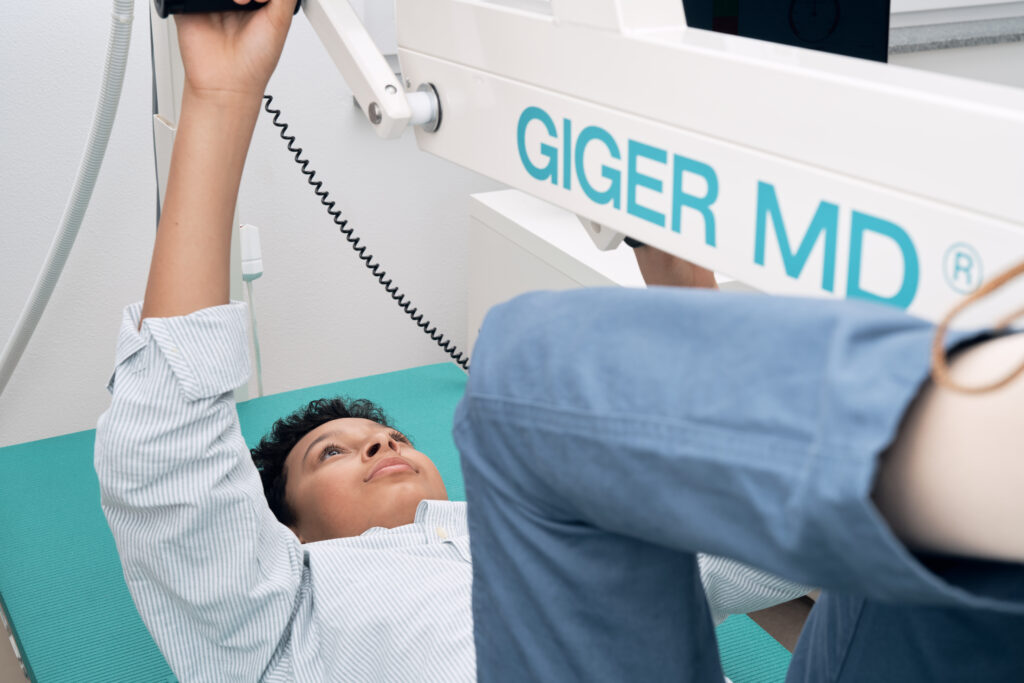
Movement plays a central role in children with cerebral palsy. It is not only part of the therapy, but a fundamental prerequisite for development, learning and... Read more
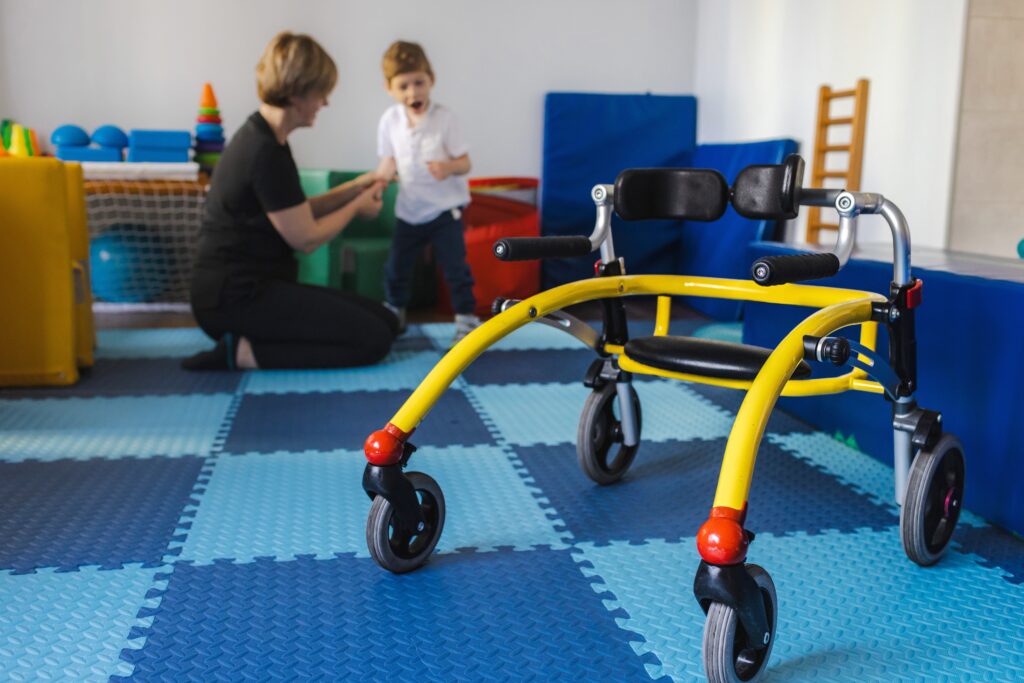
With cerebral palsy, many parents are faced with the question of when and how support should begin. Today it is considered certain: Early, targeted support... Read more

Frequently asked questions:

Curability Cerebral palsy is a lifelong condition that cannot be cured medically, as the damage to the brain cannot be reversed. Nevertheless, targeted therapies such as physiotherapy, occupational therapy and speech therapy can noticeably improve mobility and coordination. With the right support, the quality of life of those affected can be significantly improved - CP may not be curable, but it is treatable.

Cerebral palsy is caused by damage to the developing brain, which can occur before birth, during birth or in the first few months of life. Possible causes include a lack of oxygen, infections or bleeding in the brain that interfere with normal brain development. All these factors disrupt brain development and lead to the typical permanent movement and coordination disorders of cerebral palsy.

The brain damage in cerebral palsy is non-progressive and does not worsen over time. Nevertheless, symptoms can change or worsen without targeted therapy, as muscles can shorten and poor posture can increase. Continuous and long-term treatment is therefore crucial in order to keep symptoms stable and maintain the best possible ability to move.

The symptoms of cerebral palsy are very diverse and range from slight uncertainty of movement to pronounced motor impairments. Muscle stiffness, uncontrolled movements, coordination problems or postural disorders often occur. As no two cases are the same, an individual diagnosis and treatment is particularly important for each person affected.

Regular therapies help to maintain mobility, reduce pain and promote independence. The therapy goals are set individually and are based on the personal abilities and needs of those affected. The aim is to specifically promote individual strengths, make everyday life easier and enable the greatest possible participation in social life.